← Back to the library
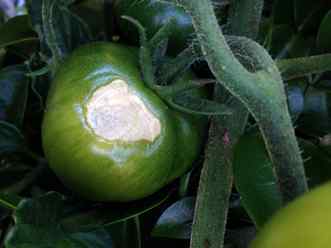
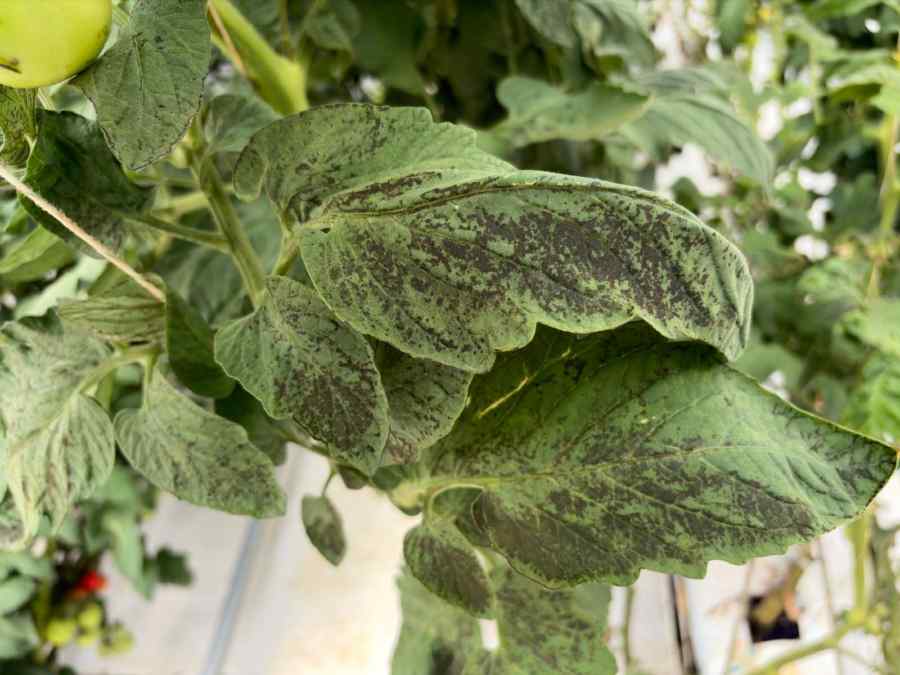
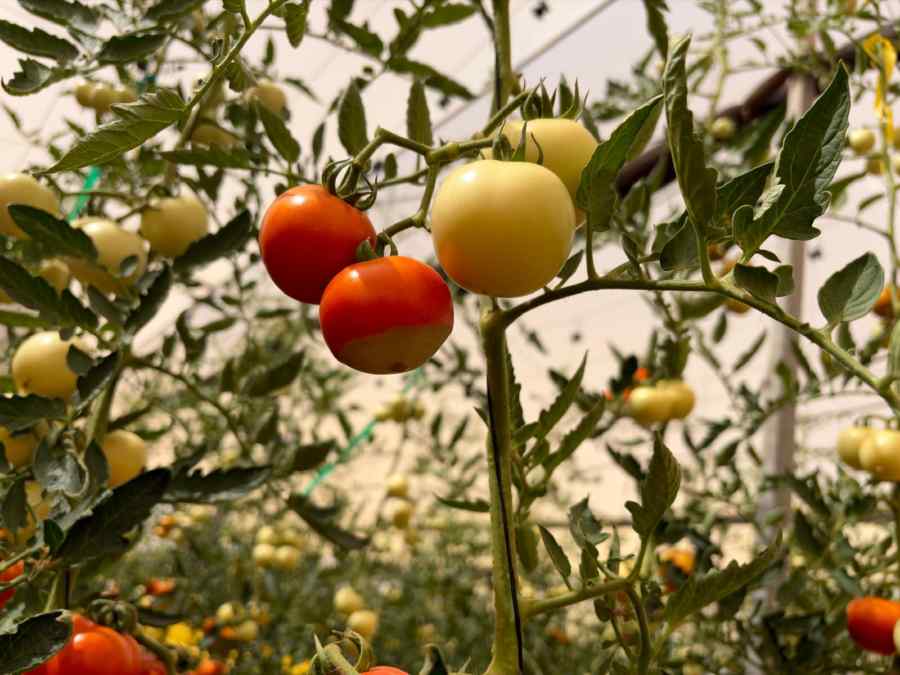
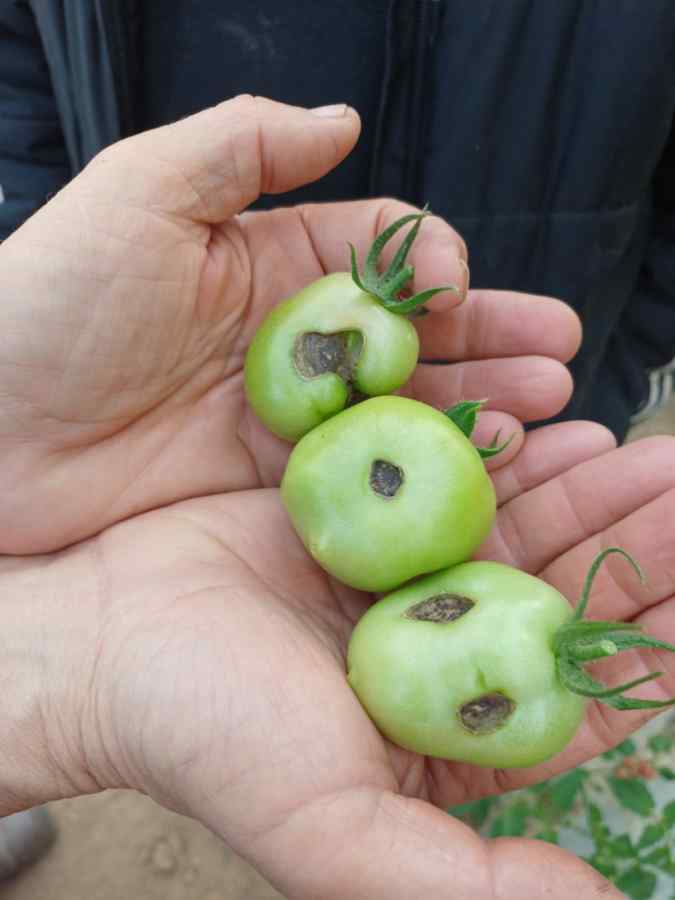
FIG.01 — Nutrient deficiency or root-zone imbalance, disorderTap to enlarge
Plant part
Leaf
P. persimilis
*N/A - No foliar pesticide a…
DisorderProblem 31 / 32
Nutrient deficiency or root-zone imbalance
Symptoms
Older leaves show uniform yellowing or interveinal chlorosis; growth may be slow, but no pathogen signs are present.
How to verify
Compare the photos above with the plant, and check the symptom description against the look-alike records below before acting. The source guide does not carry a separate laboratory verification note for this record.
Next step
Test soil and irrigation water before fertilizing. Correct pH, drainage, and the specific nutrient deficiency; avoid blanket fertilizer applications because excess salts or nitrogen can worsen problems.
P. persimilis: allowed / avoid
*N/A - No foliar pesticide applied*
Label matters
Active ingredients below are examples, not universal prescriptions. Confirm the diagnosis; use only products registered for tomato and the target problem in your country; and follow the current label for dose, pre-harvest interval, worker protection, compatibility and re-entry. Rotate IRAC/FRAC modes of action. When symptoms are uncertain, obtain a laboratory or extension diagnosis. Integrated pest management (IPM)—sanitation, resistant varieties, irrigation management, monitoring and biological control—should be the first line of defense.
Look-alikes to rule out