Look.
Verify.
Act.
A practical, scan-friendly field reference for identifying tomato symptoms and choosing the next safe step — built for agronomists, crop advisers and growers.
Match the visible symptom pattern in the first column.
Compare the likely issue with nearby look-alikes before spraying.
Start with sanitation, irrigation, airflow and monitoring; use a pesticide only when justified and labeled.
Tomato Disease, Pest and Disorder Quick-Fix Guide
Every record is drawn straight from the field guide: what you see, the likely issue, first steps, listed active ingredients, organic options, and beneficial-mite compatibility.
Disease, Pest, Disorder — every entry in the guide.
Real symptom photography, multiple shots per record.
Tick what you see, get a shortlist to verify.
Phytoseiulus persimilis guidance on every card.
Active ingredients below are examples, not universal prescriptions. Confirm the diagnosis; use only products registered for tomato and the target problem in your country; and follow the current label for dose, pre-harvest interval, worker protection, compatibility and re-entry. Rotate IRAC/FRAC modes of action. When symptoms are uncertain, obtain a laboratory or extension diagnosis. Integrated pest management (IPM)—sanitation, resistant varieties, irrigation management, monitoring and biological control—should be the first line of defense.
32 problems, photo-first
Early blight (Alternaria)
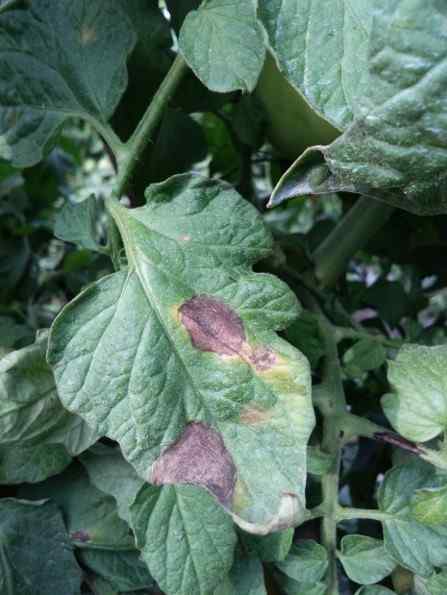
Necrotic brown spots with concentric “target” rings on older leaves; yellow halo; may reach stems and fruit.
Septoria leaf spot
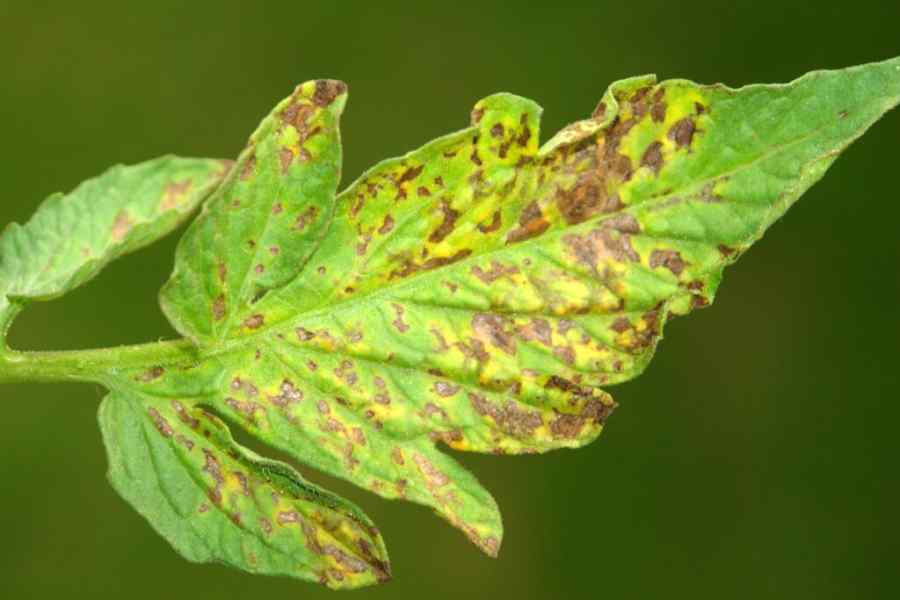
Small circular gray-to-tan lesions with dark margins and tiny black dots; starts on lower leaves, followed by yellowing and leaf drop.
Late blight (Phytophthora infestans)
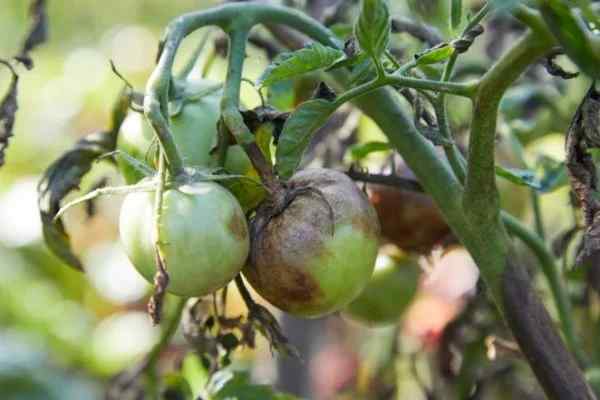
Rapidly expanding dark, water-soaked lesions on leaves and stems; white growth may appear underneath in humid weather; fruit develops dark lesions.
Leaf mold
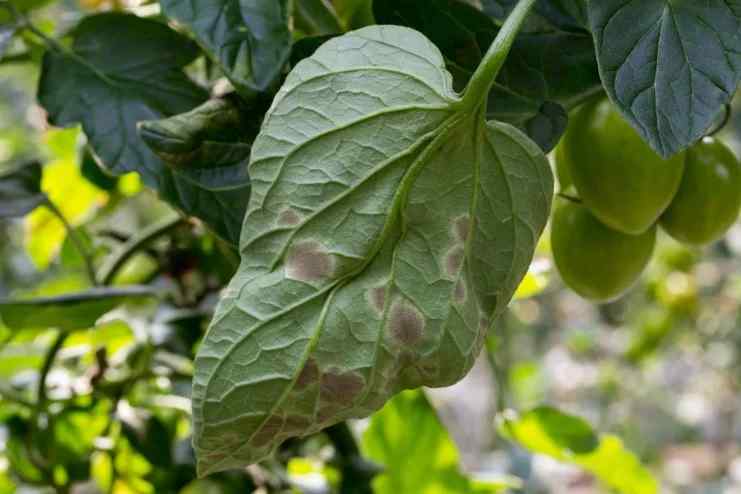
Olive-green to brown velvety patches on the upper leaf surface; dense olive/gray mold on the underside; yellowing and premature leaf drop.
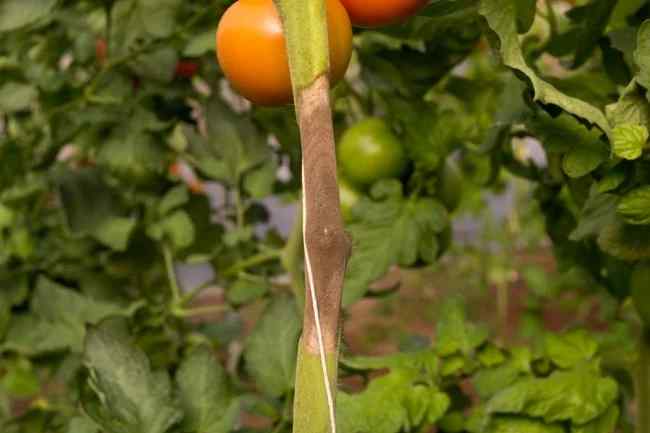
Gray mold (Botrytis)
Soft brown lesions on leaves, stems, flowers, or fruit with characteristic gray fuzzy mold; rapid rot in humid conditions.
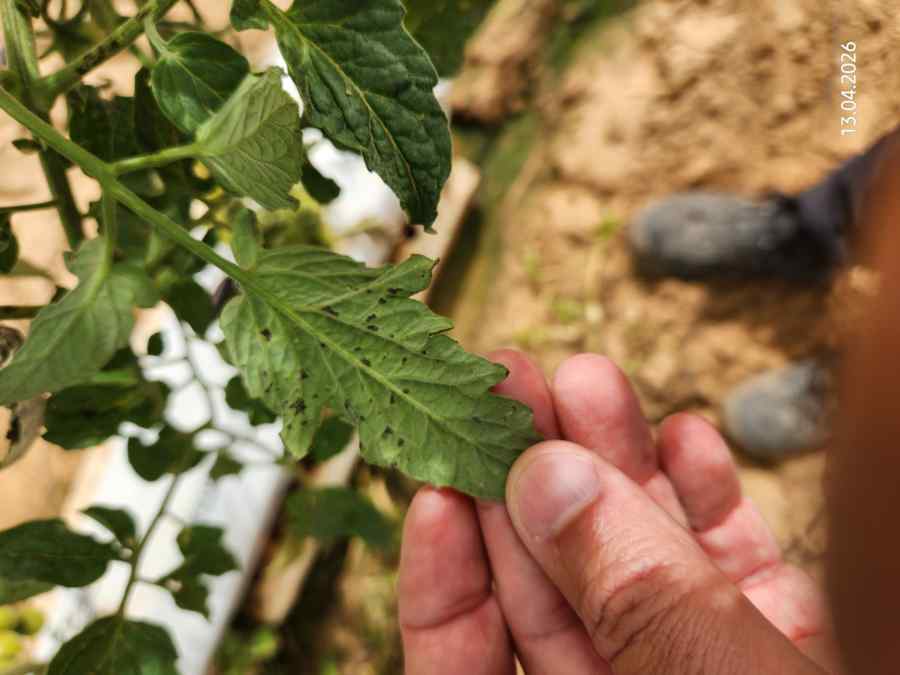
Bacterial speck
Tiny dark brown-to-black leaf spots, sometimes with a yellow halo; may also affect stems and fruit.