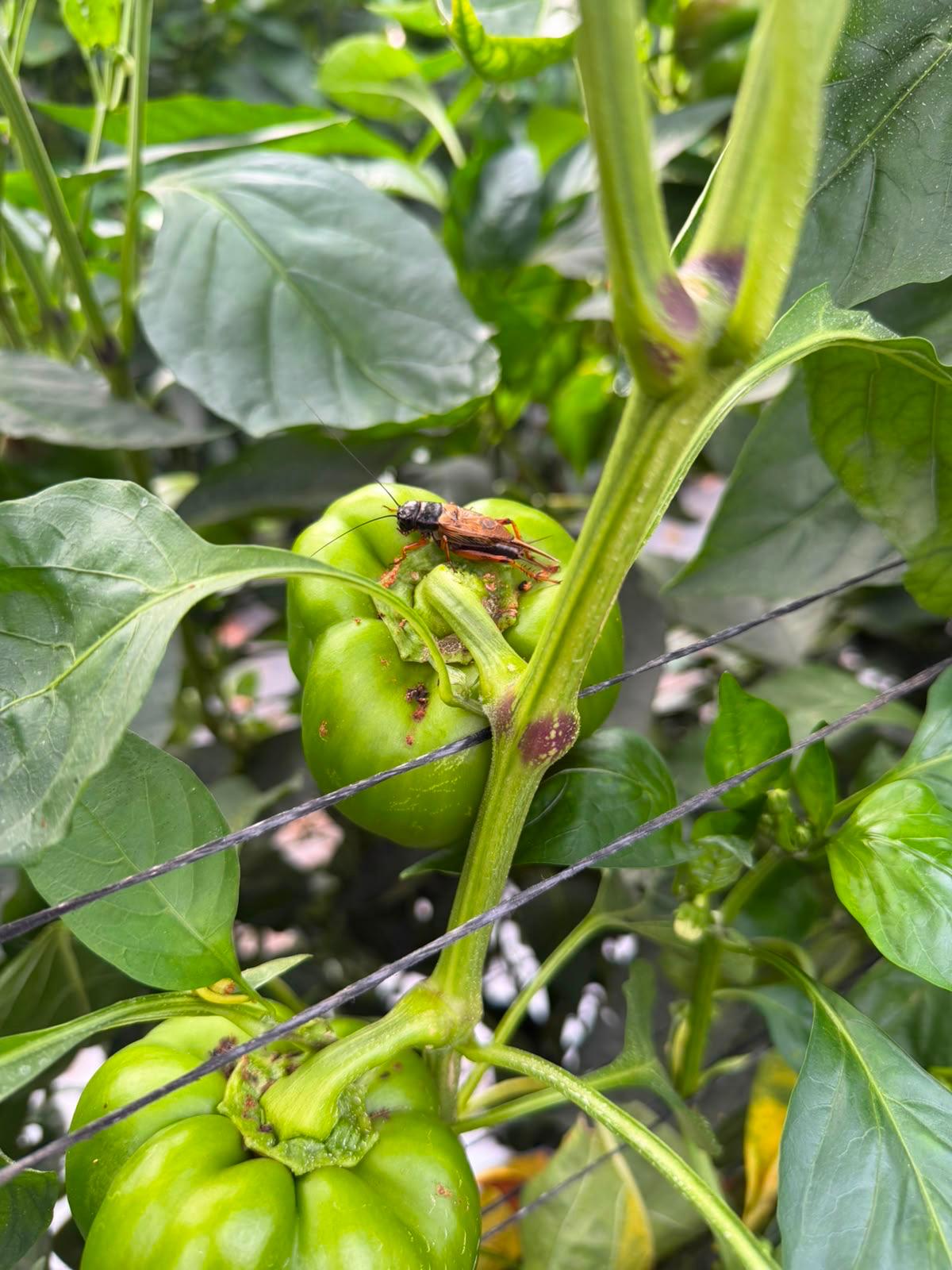
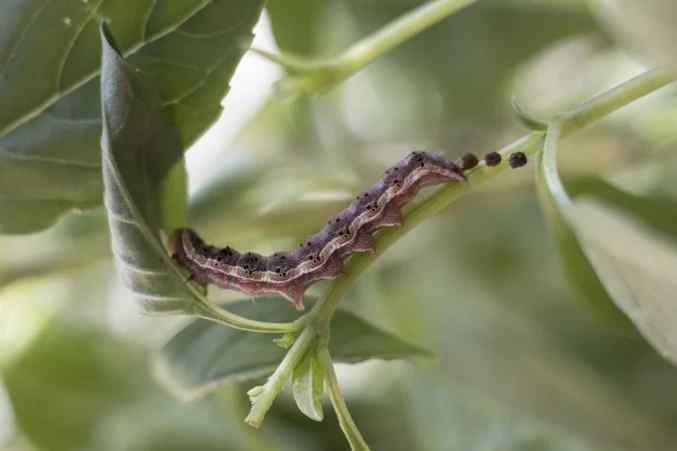
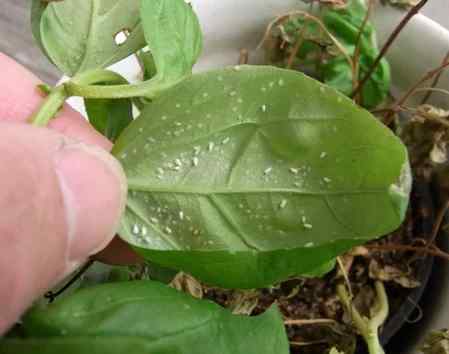
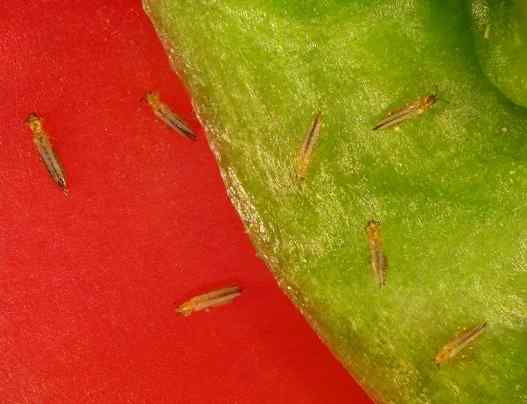
FIG.01 — Broad Mite (Polyphagotarsonemus latus), pestTap to enlarge
Plant part
Leaf · Fruit · Whole plant
P. persimilis
Not stated
PestProblem 06 / 37
Broad Mite (Polyphagotarsonemus latus)
Recorded host crops
Pepper
Symptoms
Distorted, curled, thickened young leaves; shortened internodes; stunted plant growth; deformed flowers and scarred fruits.
Field video clips (2)
How to verify
Compare the photos above with the plant, and check the symptom description against the look-alike records below before acting. The source guide does not carry a separate laboratory verification note for this record.
Next step
Inspect growing tips and young leaves using a hand lens.
Confirm mite presence with magnification or laboratory diagnosis.
Remove heavily infested plants when practical.
Apply a locally registered miticide labeled for broad mites on pepper, following label instructions.
Monitor surrounding plants and repeat inspections regularly.
Active ingredients below are examples, not universal prescriptions. Confirm the diagnosis; use only products registered for tomato and the target problem in your country; and follow the current label for dose, pre-harvest interval, worker protection, compatibility and re-entry. Rotate IRAC/FRAC modes of action. When symptoms are uncertain, obtain a laboratory or extension diagnosis. Integrated pest management (IPM)—sanitation, resistant varieties, irrigation management, monitoring and biological control—should be the first line of defense.