← Back to the library
FIG.01 — Thrips, pestTap to enlarge
Plant part
Leaf · Fruit
P. persimilis
LABEL CHECK: The table lists…
PestProblem 22 / 32
Thrips
Symptoms
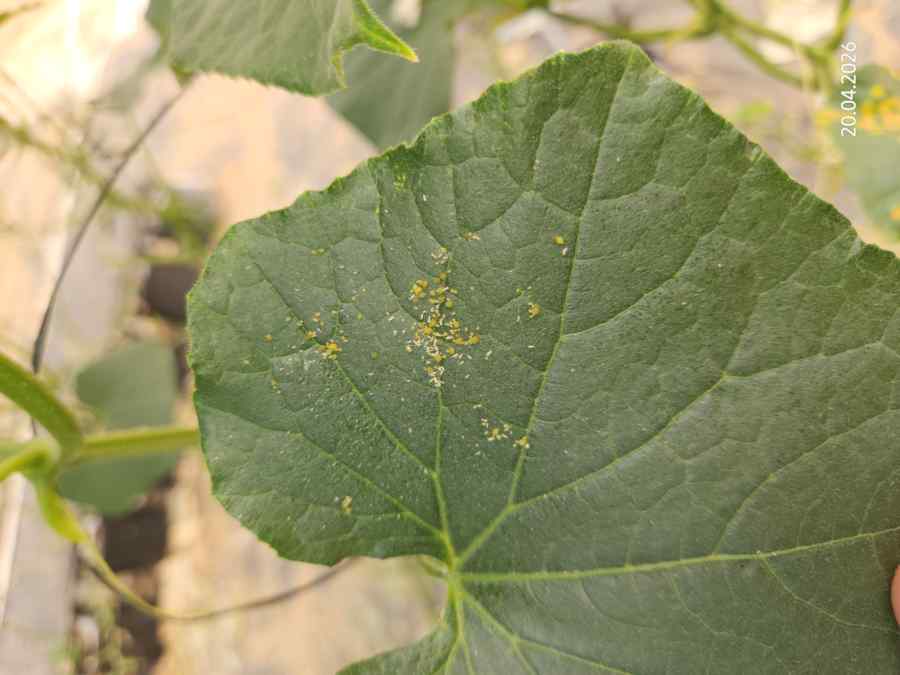
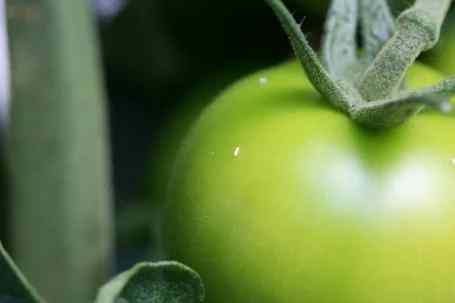
Silvery streaks or bronzing, distorted leaves, and scarring on flowers or fruit; slender insects hide in flowers.
How to verify
Compare the photos above with the plant, and check the symptom description against the look-alike records below before acting. The source guide does not carry a separate laboratory verification note for this record.
Next step
Use insect-exclusion mesh, remove weeds and old flowers, use blue/yellow cards, and conserve predators. If treatment is justified, use a labeled product such as spinosad, cyantraniliprole, or formetanate hydrochloride where registered; rotate modes of action.
Active ingredients
cypermethrindeltamethrinthiocyclam hydrogen oxalateabamectin
Organic active ingredients
azadirachtin ADDITIONAL LABEL OPTIONS (LOCAL REGISTRATION REQUIRED): horticultural oildeltamethrincyfluthrinspinosadcyantraniliproleformetanate hydrochloride IPM NOTE: Use a product only when its local label covers tomato and thrips. Check compatibility with Phytoseiulus persimilis and other beneficials before application.
P. persimilis: allowed / avoid
LABEL CHECK: The table lists these active ingredients for thrips; verify tomato registration, worker protection, PHI and compatibility with beneficials.
Label matters
Active ingredients below are examples, not universal prescriptions. Confirm the diagnosis; use only products registered for tomato and the target problem in your country; and follow the current label for dose, pre-harvest interval, worker protection, compatibility and re-entry. Rotate IRAC/FRAC modes of action. When symptoms are uncertain, obtain a laboratory or extension diagnosis. Integrated pest management (IPM)—sanitation, resistant varieties, irrigation management, monitoring and biological control—should be the first line of defense.
Look-alikes to rule out