← Back to the library
FIG.01 — Spider mites, pestTap to enlarge
Plant part
Leaf
P. persimilis
AVOID / RESTRICTED
PestProblem 19 / 32
Spider mites
Symptoms
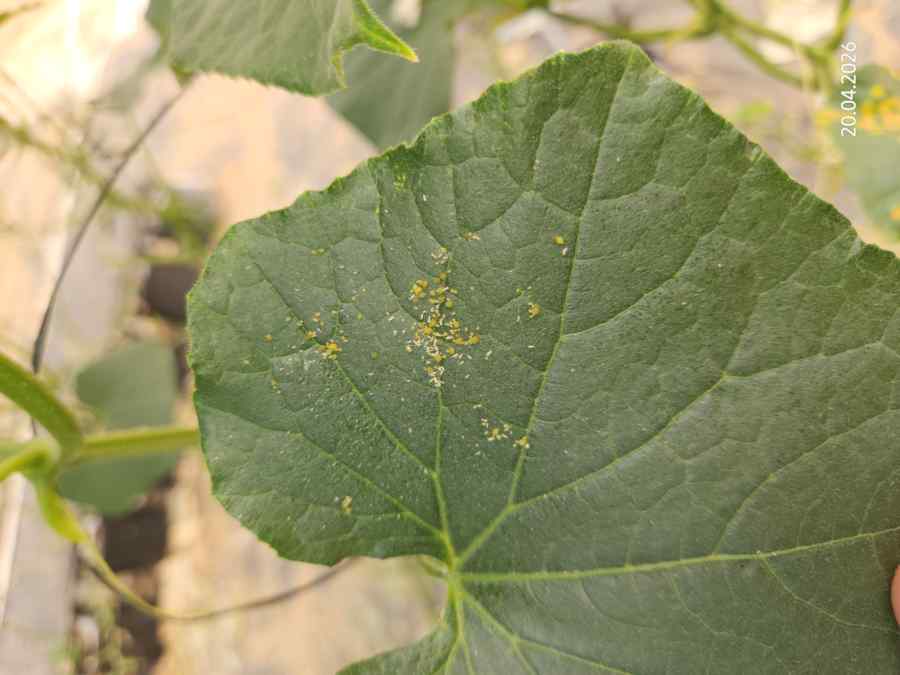
Fine yellow stippling, bronzing, and webbing on leaves; mites are often on the underside, worse in hot dry weather.
How to verify
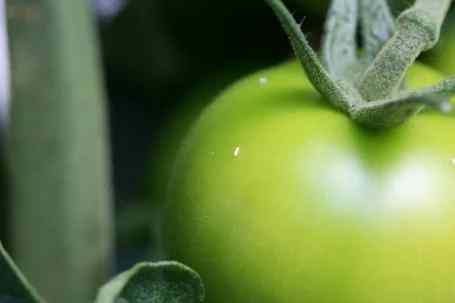
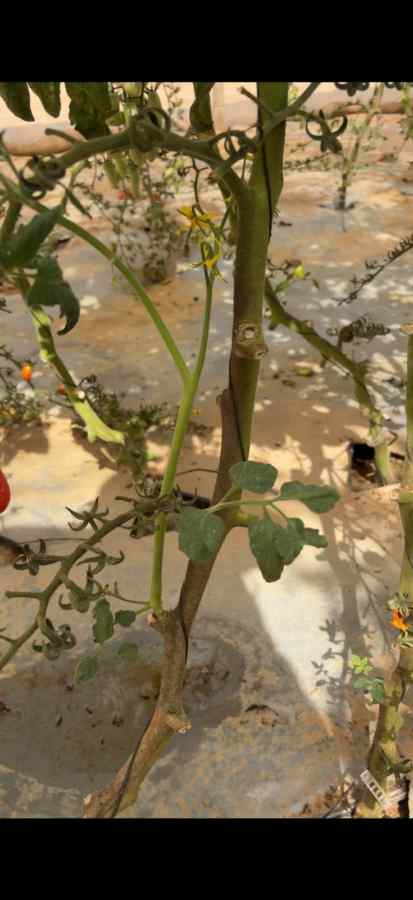
Compare the photos above with the plant, and check the symptom description against the look-alike records below before acting. The source guide does not carry a separate laboratory verification note for this record.
Next step
Reduce dust and heat stress, wash foliage with water, and conserve predatory mites. Avoid pyrethroid flare-ups.
Product / label options
PRODUCT / LABEL OPTIONS: If necessary, use a labeled miticide such as acequinocyl, bifenazate, etoxazole, or cyflumetofen according to the label.
Active ingredients
abamectinclofentezineacequinocylsucroglyceridesspiromesifenfenazaquintebufenpyradpyridabenfenpyroximatepyrimidifenmilbemectinetoxazolechlorfenapyrbifenazatecyflumetofenmineral oilparaffinic oilneem oilplant oils
Organic active ingredients
neem oilwhite mineral oilsulfurazadirachtin
P. persimilis: allowed / avoid
BIOLOGICAL CONTROL: Use the predatory mite Phytoseiulus persimilis as a beneficial against spider mites. Release it only after respecting the pesticide interval and supplier guidance. PERSIMILIS STATUS: AVOID / RESTRICTED. Sulfur dusting can harm beneficials; do not use during an active Phytoseiulus persimilis program unless the supplier confirms compatibility. LABEL CHECK: Use the exact label for the mite species and crop; oils and miticides require complete coverage and may affect beneficial mites.
Label matters
Active ingredients below are examples, not universal prescriptions. Confirm the diagnosis; use only products registered for tomato and the target problem in your country; and follow the current label for dose, pre-harvest interval, worker protection, compatibility and re-entry. Rotate IRAC/FRAC modes of action. When symptoms are uncertain, obtain a laboratory or extension diagnosis. Integrated pest management (IPM)—sanitation, resistant varieties, irrigation management, monitoring and biological control—should be the first line of defense.
Look-alikes to rule out